
For a better experience on Pelican Energy TCI Update Your Browser
Have you registered with the online portal? Register online now.

Energy Smart Businesses

Practical tips to help you manage electricity use
  • Home
  • Energysmartbusinesses
Your Energy Questions Answered
Your Energy

Your Energy
Questions
Answered

We’re committed to keeping you informed of fuel price changes so you can prepare and plan

Frequently Asked Questions

Every Kilowatt Counts

As fuel prices change globally, the cost to generate electricity can also rise—often affecting businesses more quickly due to higher energy demand.

Current projections from our fuel supplier indicate that electricity bills will significantly increase as of July 2026 due to higher fuel prices. These months also coincide with warmer weather, when energy usage is typically higher due to air conditioning and other factors.

Our Energy Smart Resources for Businesses provide simple, practical tips to help you maintain comfort, productivity, and service levels while reducing electricity use.
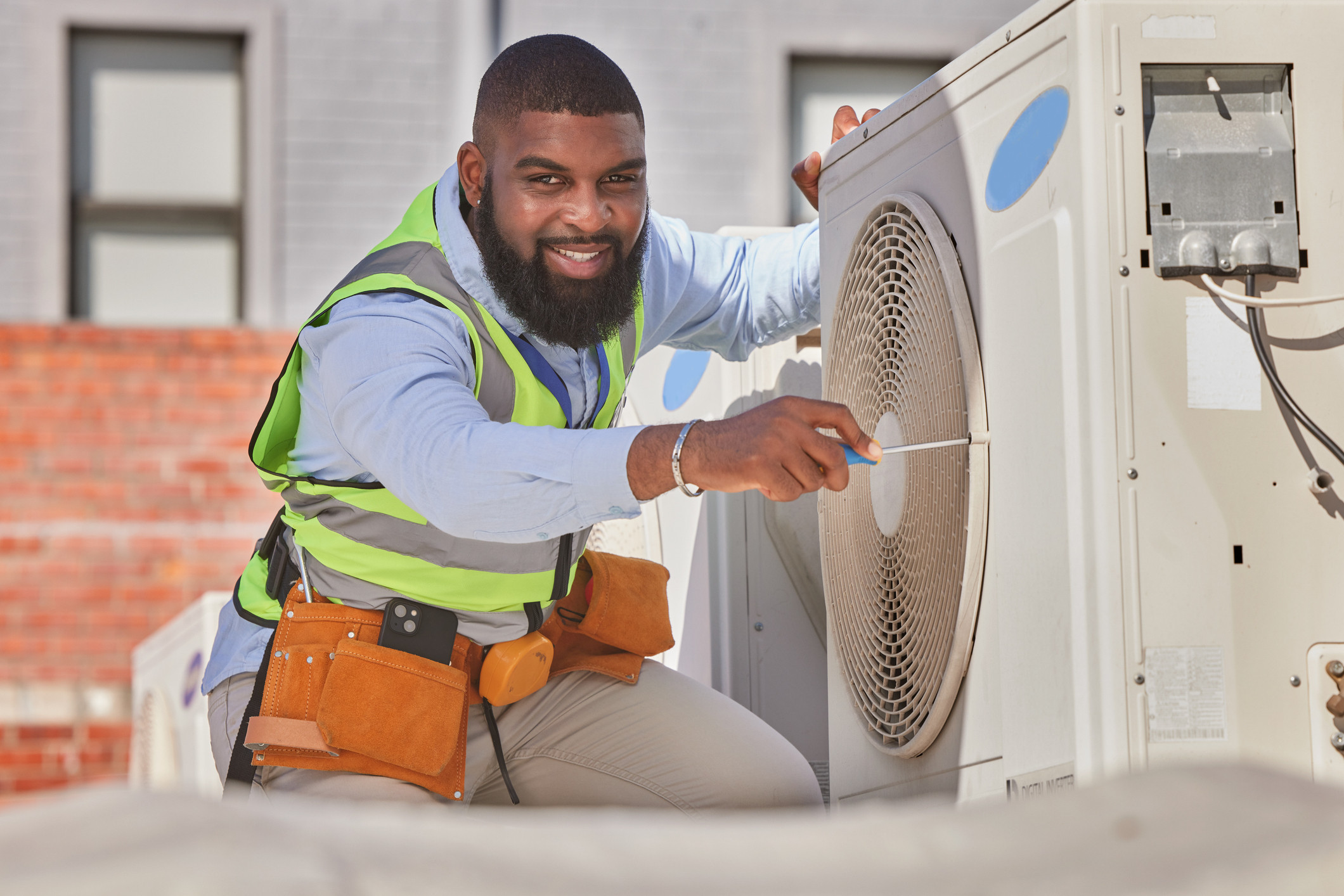

 

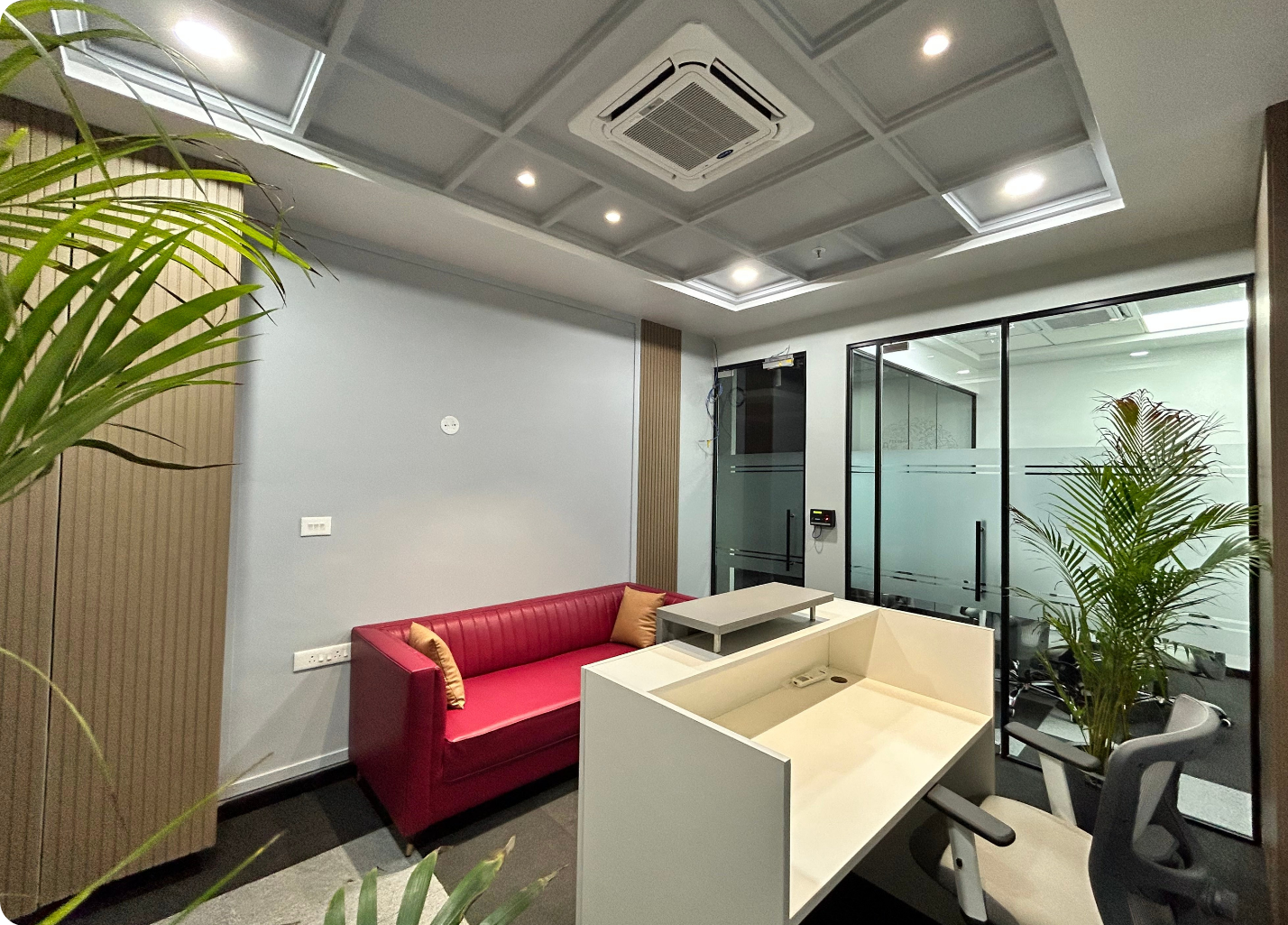
Smart Cooling for Commercial Spaces

Stay comfortable while using less electricity

In the Turks and Caicos, high heat and humidity mean air conditioning is one of the biggest drivers of electricity use. Small changes in how you use and maintain your A/C system can lead to meaningful savings.

  • Use programmable or smart thermostats to set cooling schedules around operating hours.
  • Set temperatures to 78°F or the highest comfortable level during business hours.
  • Clean A/C filters regularly and schedule routine maintenance to maintain efficiency.
  • Keep vents unobstructed to ensure proper airflow.
  • Choose properly sized, energy‑efficient or inverter A/C systems suited to your space.
  • Seal air leaks around doors, windows, and loading areas to prevent cooled air from escaping.
Commercial Spaces
Reduce Cooling

Reduce Cooling Demand Before Turning Up the A/C

Lower heat gain during the workday

Reducing heat entering your building can lessen the strain on cooling systems.

  • Use window coverings or tinted glass to block direct sunlight.
  • Limit use of heat‑producing equipment during peak daytime hours when possible.
  • Use ceiling or wall‑mounted fans to improve air circulation in work areas.
  • Consider insulation upgrades for roofs and walls to reduce heat gain over time.
 

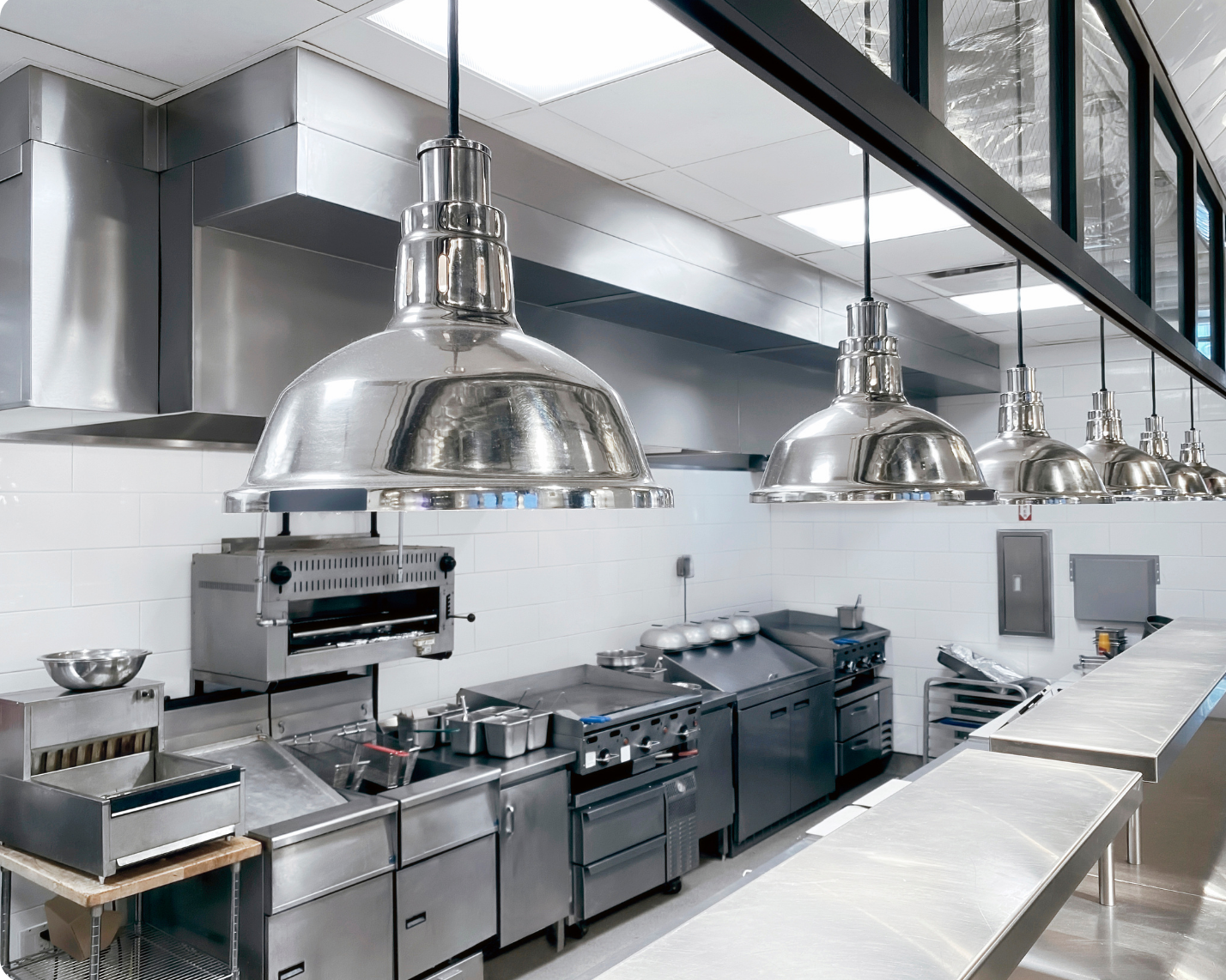
Cooking & Food Prep Smarter

Save electricity on laundry days

For businesses with kitchens or food preparation areas, smart cooking habits can reduce both electricity use and cooling needs.

  • Keep lids on pots and pans to reduce cooking time and heat loss.
  • Match cookware size to burner size to avoid wasted heat.
  • Prepare quick‑cook or one‑pot menu items when possible.
  • Use ovens efficiently by cooking multiple items at once.
  • Keep oven doors closed and use interior lights to check food.
  • Use smaller appliances—such as microwaves, air fryers, or pressure cookers—for smaller jobs.
  • Avoid overcooking by using timers and proper cookware.
Smart Lighting

Smart Lighting for Businesses

Reduce everyday energy waste

Lighting is often used for long hours in commercial spaces, making efficiency essential.

  • Replace frequently used bulbs with LED lighting.
  • Install motion sensors and timers in restrooms, storage areas, and back‑of‑house spaces.
  • Use task lighting instead of lighting entire areas at full brightness.
  • Take advantage of natural daylight where possible.
  • Use dimmer switches and multiple lighting zones to avoid unnecessary lighting.
Energy‑Smart Laundry & Freezer Efficiency

Energy‑Smart Laundry (Hotels, Villas & Commercial Operations)

Save energy on every wash

Laundry equipment can be one of the highest energy users in hospitality and service businesses.

  • Select the shortest wash cycle suitable for the load.
  • Use high‑speed spin cycles to reduce drying time.
  • Sort laundry by weight for balanced, efficient washing.
  • Avoid over‑drying to reduce energy waste and fabric wear.
  • Run full loads whenever possible to maximize efficiency.
  • Upgrade to energy‑efficient washers and dryers when feasible.
Equipment Scheduling

Equipment Scheduling & Operating Hours

Avoid using energy when your business is closed

Many businesses use electricity outside of operating hours without realizing it.

  • Schedule equipment to power down after hours where possible.
  • Align lighting, cooling, and equipment use with actual business hours.
  • Avoid running non‑essential equipment overnight or during low‑traffic periods.
 

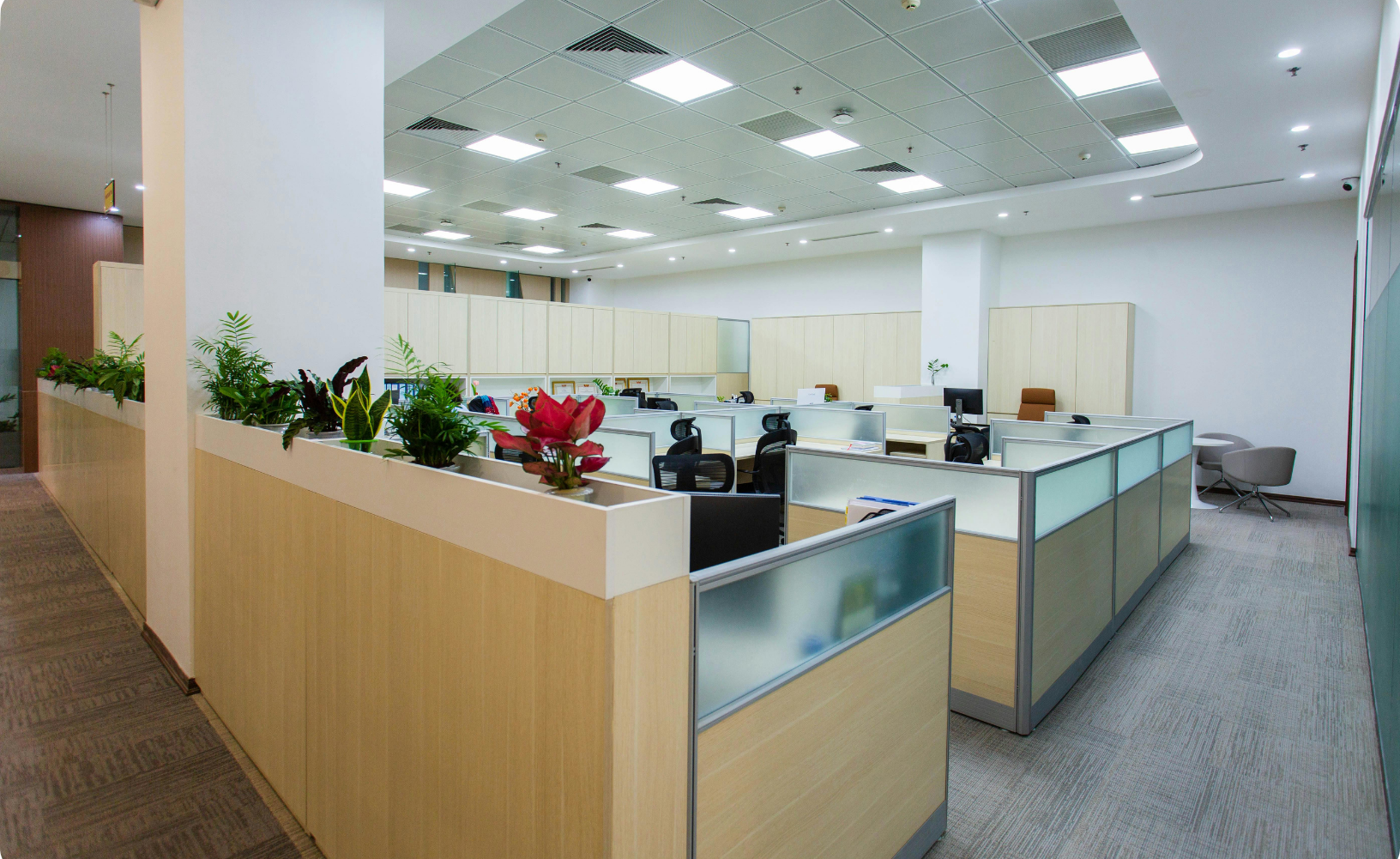
Smart Use of Office Electronics

Cut waste from everyday equipment.

Office electronics continue to draw power even when not actively in use.

  • Enable power‑saving or sleep modes on computers, monitors, and copiers.
  • Use power strips and switch them off after business hours.
  • Choose laptops or tablets over desktop computers where possible.
  • Lower screen brightness to reduce electricity use.
Preventive Maintenance

Preventive Maintenance

Well‑maintained equipment uses less energy

Poorly maintained systems work harder and consume more electricity

  • Keep HVAC, refrigeration, and electrical equipment serviced regularly.
  • Clean vents, filters, and coils to maintain efficiency.
  • Address worn seals, leaks, or faulty controls early to avoid energy loss.

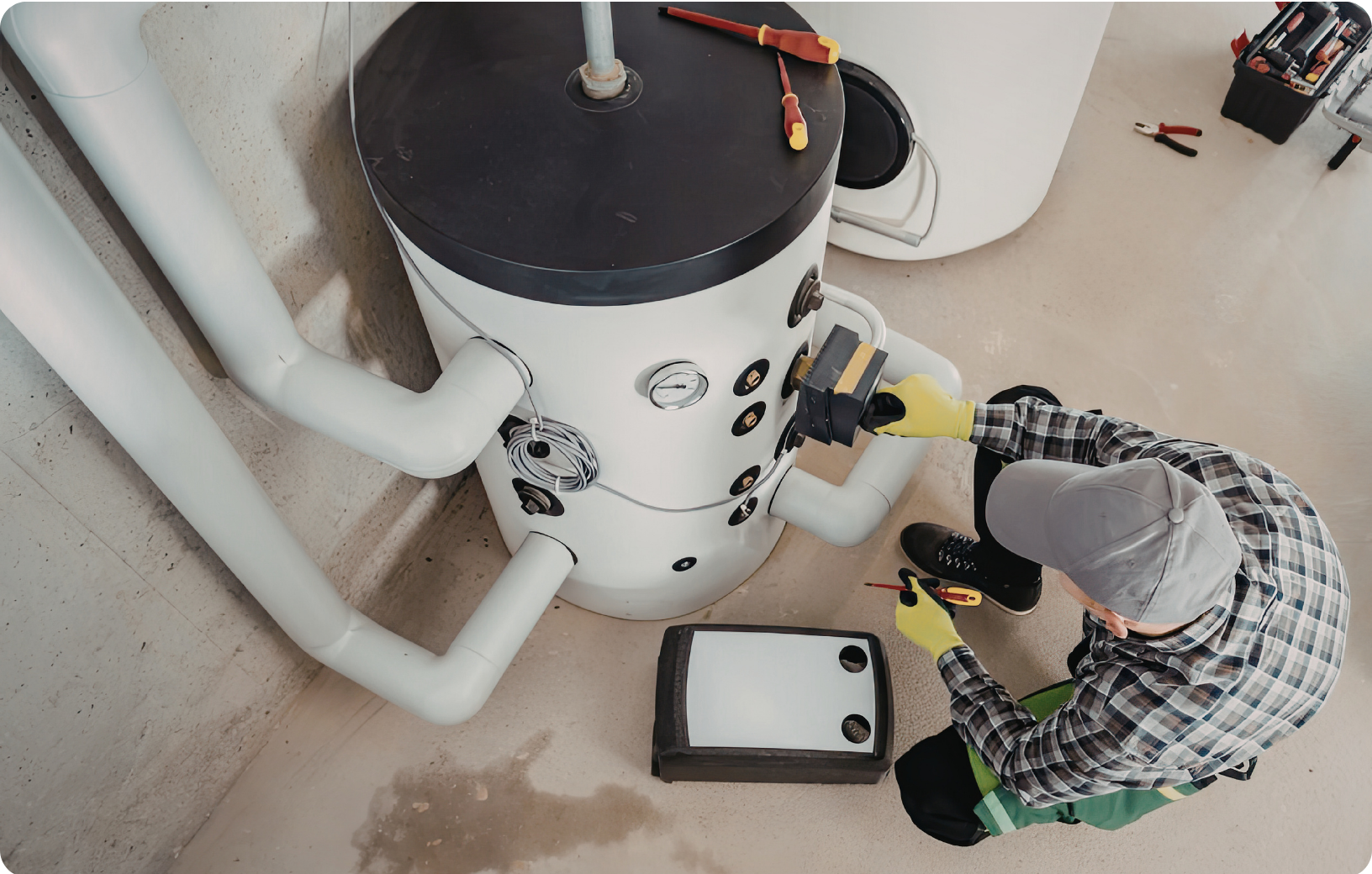
Water Heating for Commercial Use

Manage one of the highest energy drivers

Hot water use can significantly impact operating costs in many businesses.

  • Use timers to reduce water heating during off‑hours.
  • Insulate exposed hot‑water pipes.
  • Install low‑flow fixtures in restrooms and kitchens.
  • Use energy‑efficient water heaters suited to your business size.
  • Regularly maintain water heating systems to ensure efficient operation.
Staff Energy Awareness

Staff Energy Awareness

Simple actions by staff can add up

Energy efficiency improves when everyone plays a role

  • Encourage staff to switch off lights, equipment, and monitors when not in use.
  • Share clear guidelines for energy‑smart behavior during work hours.
  • Assign responsibility for end‑of‑day shutdowns where appropriate.