

For a better experience on Pelican Energy TCI Update Your Browser
Have you registered with the online portal? Register online now.

Energy Smart Homes

Practical tips to help you manage electricity use
  • Home
  • Energysmarthome
Your Energy Questions Answered
Your Energy

Your Energy Questions
Answered

We’re committed to keeping you informed of fuel price changes so you can prepare and plan

Frequently Asked Questions

Every Kilowatt Counts

As fuel prices change around the world, the cost to produce electricity can also increase. One of the easiest ways to manage your monthly bill is by using energy wisely at home.

Current projections from our fuel supplier indicate that electricity bills will significantly increase as of July 2026 due to higher fuel prices. These months also coincide with warmer weather, when energy usage is typically higher due to air conditioning and other factors.

Our Energy Smart Resources share simple, practical tips to help you stay comfortable while using less electricity.
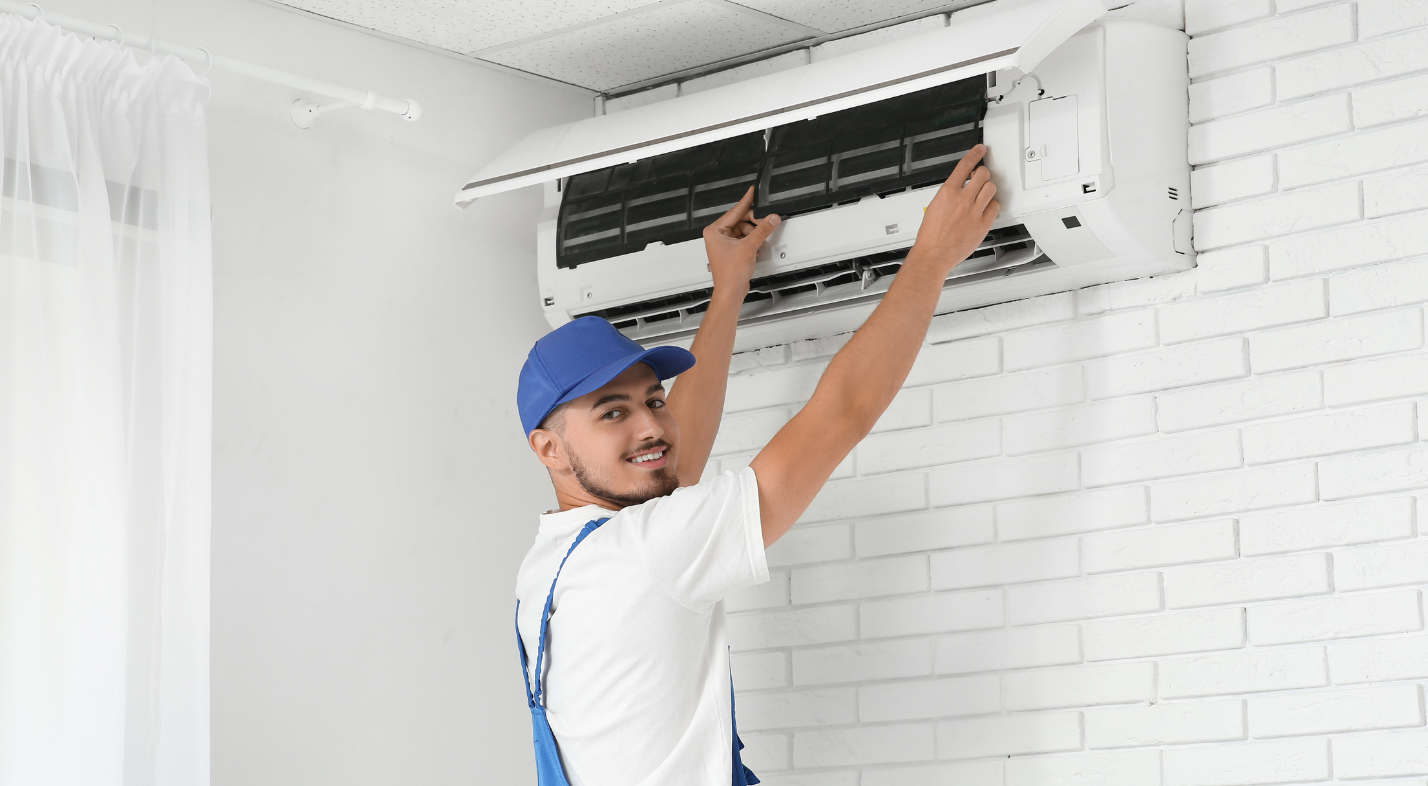
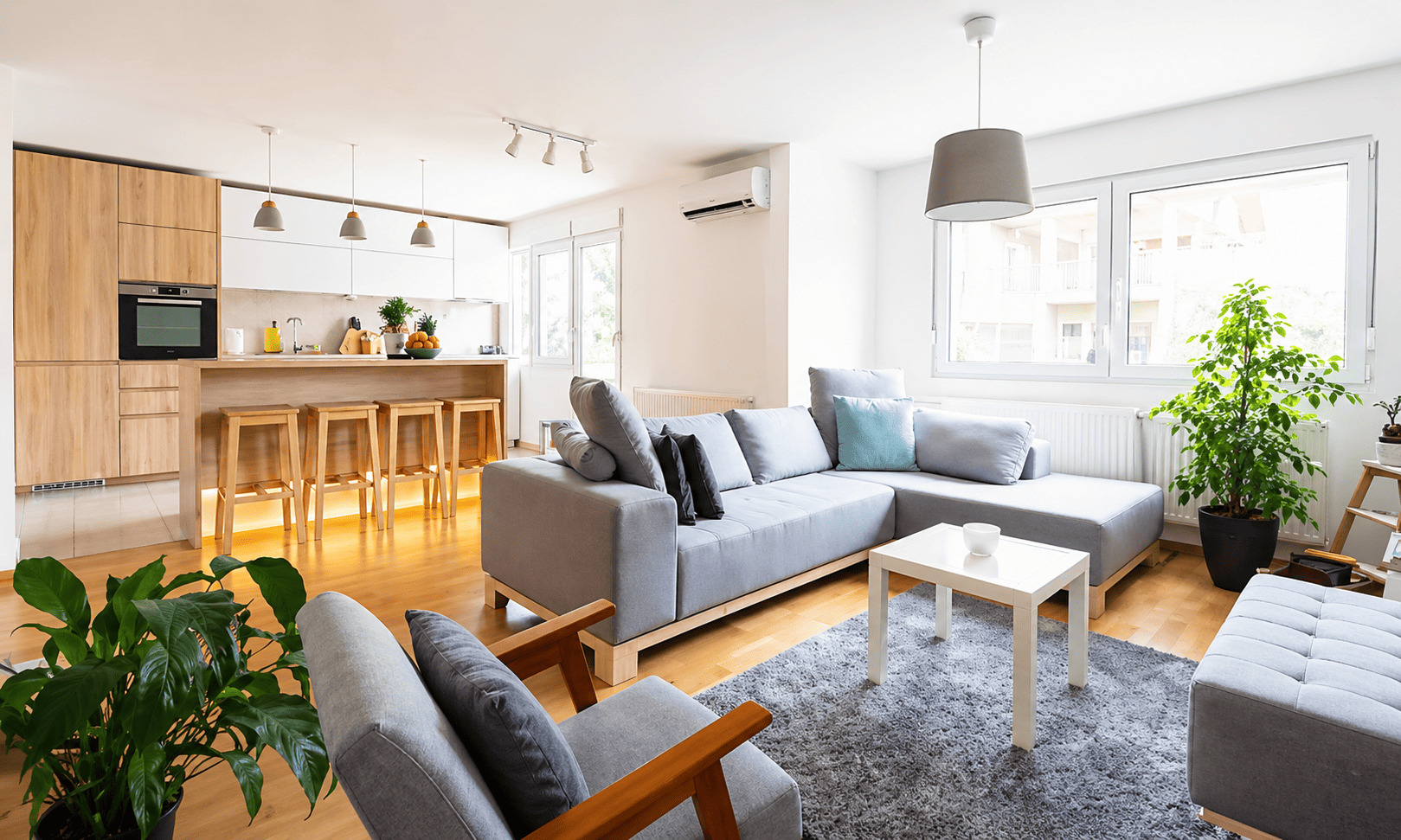
 

Smart A/C Usage

Stay cool while using less electricity

In the Turks and Caicos, high heat and humidity mean air conditioning is one of the biggest drivers of electricity use. Small changes in how you use and maintain your A/C system can lead to meaningful savings.

  • Use smart or programmable thermostats to control cooling schedules and avoid unnecessary run time.
  • Set your thermostat to 78°F or the highest comfortable temperature to balance comfort and energy savings.
  • Clean air filters regularly to prevent dust buildup that forces your A/C to work harder.
  • Schedule routine maintenance so your system operates efficiently.
  • Keep all vents open to improve airflow and avoid overworking the unit.
  • Choose the right-sized A/C for your space and consider inverter or energy‑efficient models.
  • Seal air leaks around doors, windows, and vents with weather stripping to prevent cooled air from escaping.
Smart A/C Usage
Stay Cool Without A/C Use

Stay Cool Without A/C Use

Reduce heat gain before turning on the air conditioner

You can improve comfort and reduce your reliance on A/C by using natural and low‑energy cooling strategies, especially during cooler parts of the day.

  • Take advantage of natural ventilation by opening windows and doors on breezy evenings.
  • Avoid using heat‑producing appliances—such as ovens, clothes dryers, and hair dryers—during the hottest times of day.
  • Use ceiling or standing fans to improve air circulation and comfort.
  • Close curtains, blinds, and other window coverings during the day to block heat from sunlight.
  • Consider adding insulation to walls and roofs to reduce heat gain and lower overall cooling demand.
 

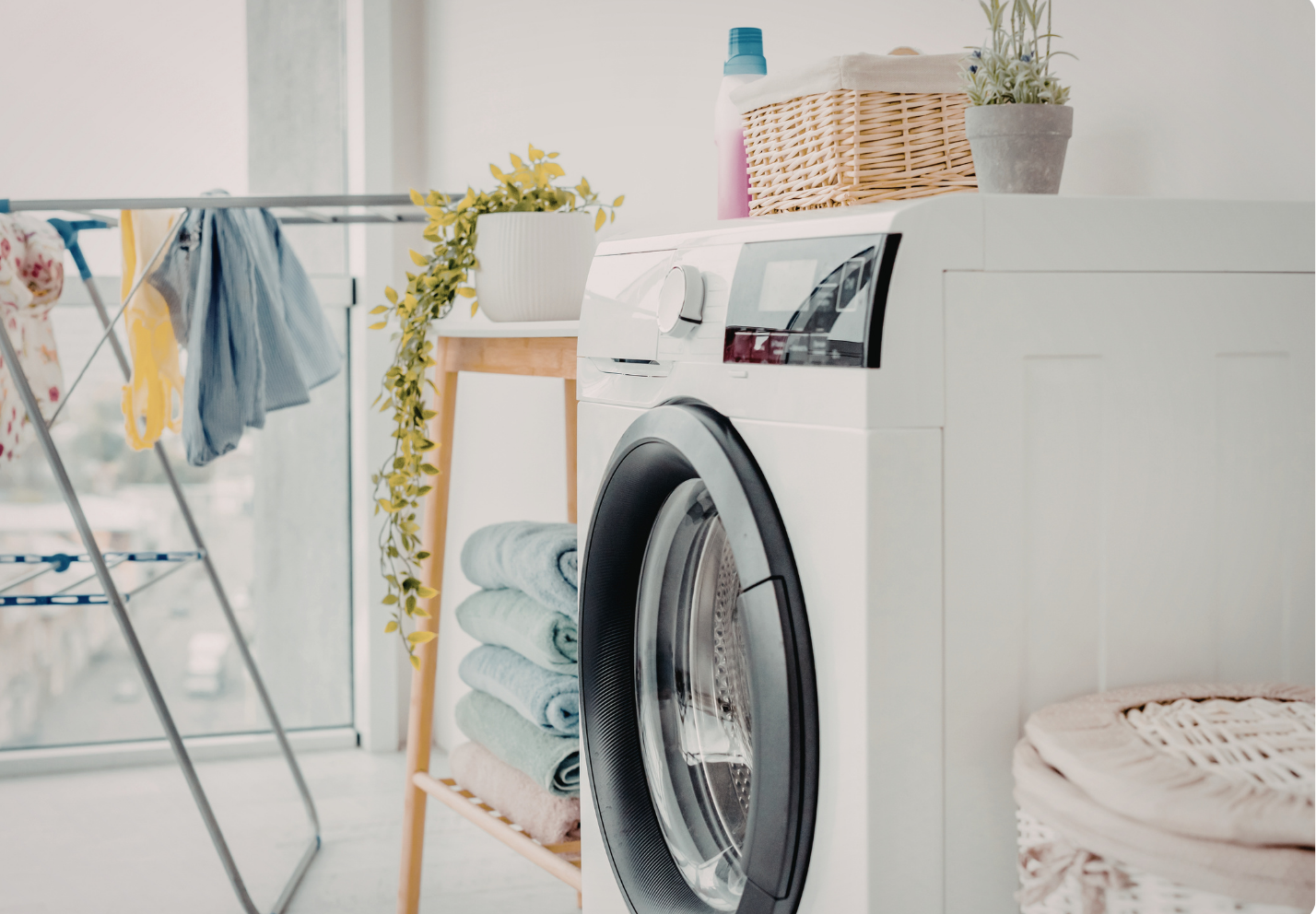
Energy‑Smart Laundry Habits

Save electricity on laundry days

Washers and dryers are among the most energy‑intensive household appliances. Using them efficiently can help reduce electricity consumption without changing your routine dramatically.

  • Choose the shortest wash cycle that meets your needs. Soak heavily soiled items before washing to avoid running multiple cycles.
  • Use high‑speed or extended spin cycles to remove more moisture and reduce drying time.
  • Sort laundry by weight—separating heavy items from lighter fabrics—for more efficient washing.
  • Dry right‑sized loads to allow proper airflow and avoid longer drying times.
  • Avoid over‑drying, which wastes electricity and can damage clothes.
  • Wash only full loads, since full and half loads use about the same amount of energy.
  • When possible, upgrade to newer, energy‑efficient washers and dryers, which consume less power than older models.
Energy-Smart Laundry Habits

Cooking Smarter

Small changes in how you cook can help lower electricity use and reduce heat inside your home.

  • Use lids on pots and pans to heat food faster and keep heat from escaping.
  • Match pot size to burner size so heat goes directly into your food, not into the air.
  • Choose quick‑cook or one‑pot meals to use fewer burners and cook more efficiently.
  • Cook multiple dishes at once when using the oven to avoid reheating it later.
  • Keep the oven door closed and check food using the oven light instead.
  • Use smaller appliances like toaster ovens, air fryers, microwaves, or slow cookers for small meals.
  • Grill outdoors when possible to avoid heating up your home.
  • Don’t overcook food—use a timer to save energy.
  • Use the right cookware and keep stove burners clean so heat is used efficiently.
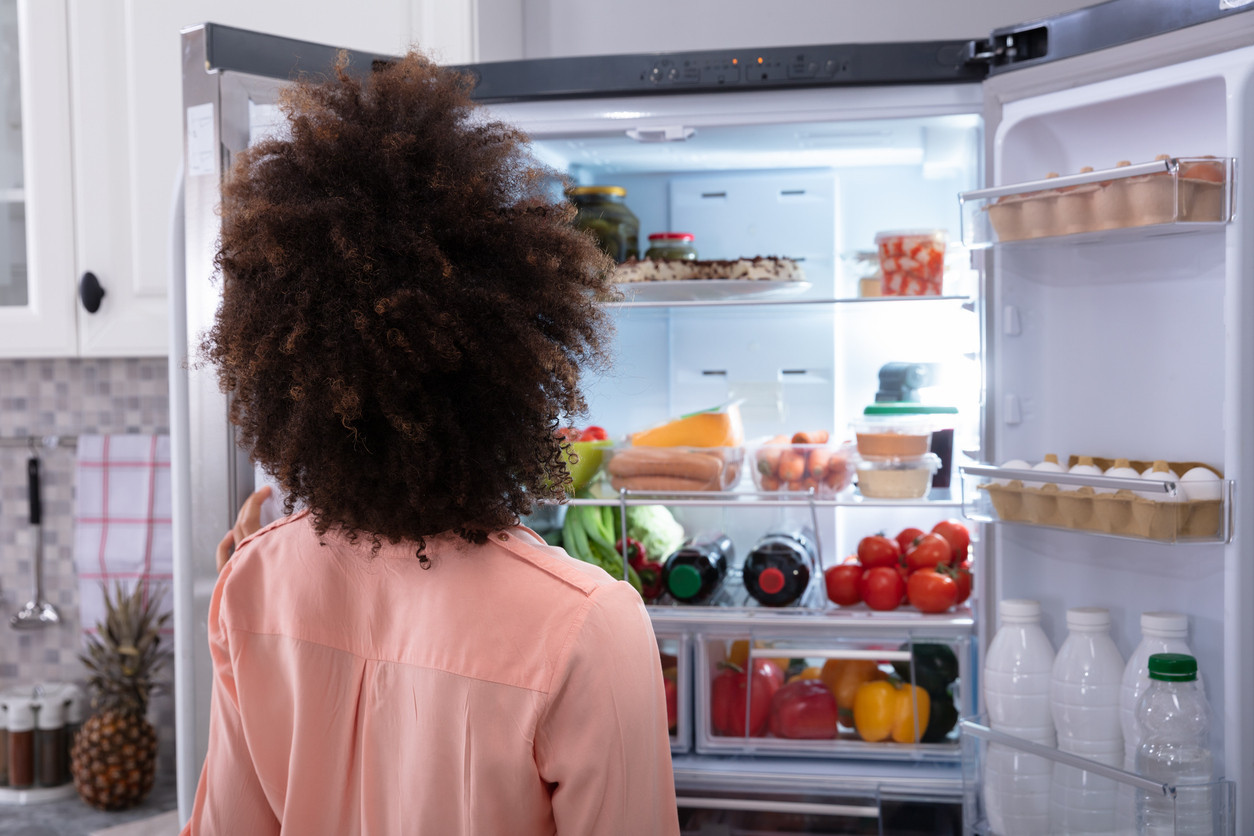
Refrigerator & Freezer Efficiency

Refrigerator & Freezer Efficiency

Reduce energy use from an appliance that runs all day

Your refrigerator and freezer operate 24/7, making them one of the biggest energy users in your home.

  • Keep refrigerator doors closed and organized for quick access.
  • Turn off automatic ice makers and use ice trays instead.
  • Allow hot foods to cool before placing them in the fridge.
  • Leave at least two inches of space behind the unit for airflow. Keep refrigerators away from ovens, stoves, dishwashers, and direct sunlight.
  • Set refrigerator temperature between 35°F and 38°F, and freezers between 0°F and 5°F.
  • Remove frost buildup and clean condenser coils regularly.
  • Check and replace worn door seals to prevent cold air loss.
  • Use power‑saving or “anti‑sweat” features where available.
  • Cover food and drinks before storing to reduce internal moisture.
  • Choose Energy Star‑rated refrigerators and the right size for your needs.
Refrigerator & Freezer Efficiency
 

Smart Lighting

Lighting is a source of everyday energy waste.

  • Switch to LEDs. Replace as many of your most frequently used traditional, incandescent light bulbs with LEDs, which are the most energy-efficient and longest lasting of all its counterparts.
  • Use dimmer switches to reduce unnecessary brightness.
  • Install motion sensors and timers so lights aren’t left on accidentally.
  • Use smart bulbs or smart switches to control lights remotely.
  • Choose task lighting instead of lighting entire rooms.
  • Maximize natural light by using windows and skylights during the day.
  • Install multiple switches to control lights in specific areas.
  • Position light switches near entrances and exits for easy shut‑off.
Smart Lighting

Smart Use of Electronics

Everyday electronics use power even when they’re not in use. Simple habits—like switching off, unplugging, and using energy‑saving settings—can help reduce electricity use and manage your energy costs.

Computers, Laptops & Screens
Use less energy when working or streaming

  • Turn on power‑saving or sleep mode on computers, monitors, and copiers when not in use.
  • Unplug devices that aren’t being used to avoid wasting energy.
  • Choose laptops or tablets instead of desktop computers, as they use less electricity.
  • Use a power strip and switch it off at night to stop electronics from using energy when turned off.
  • Lower screen brightness to reduce power use.

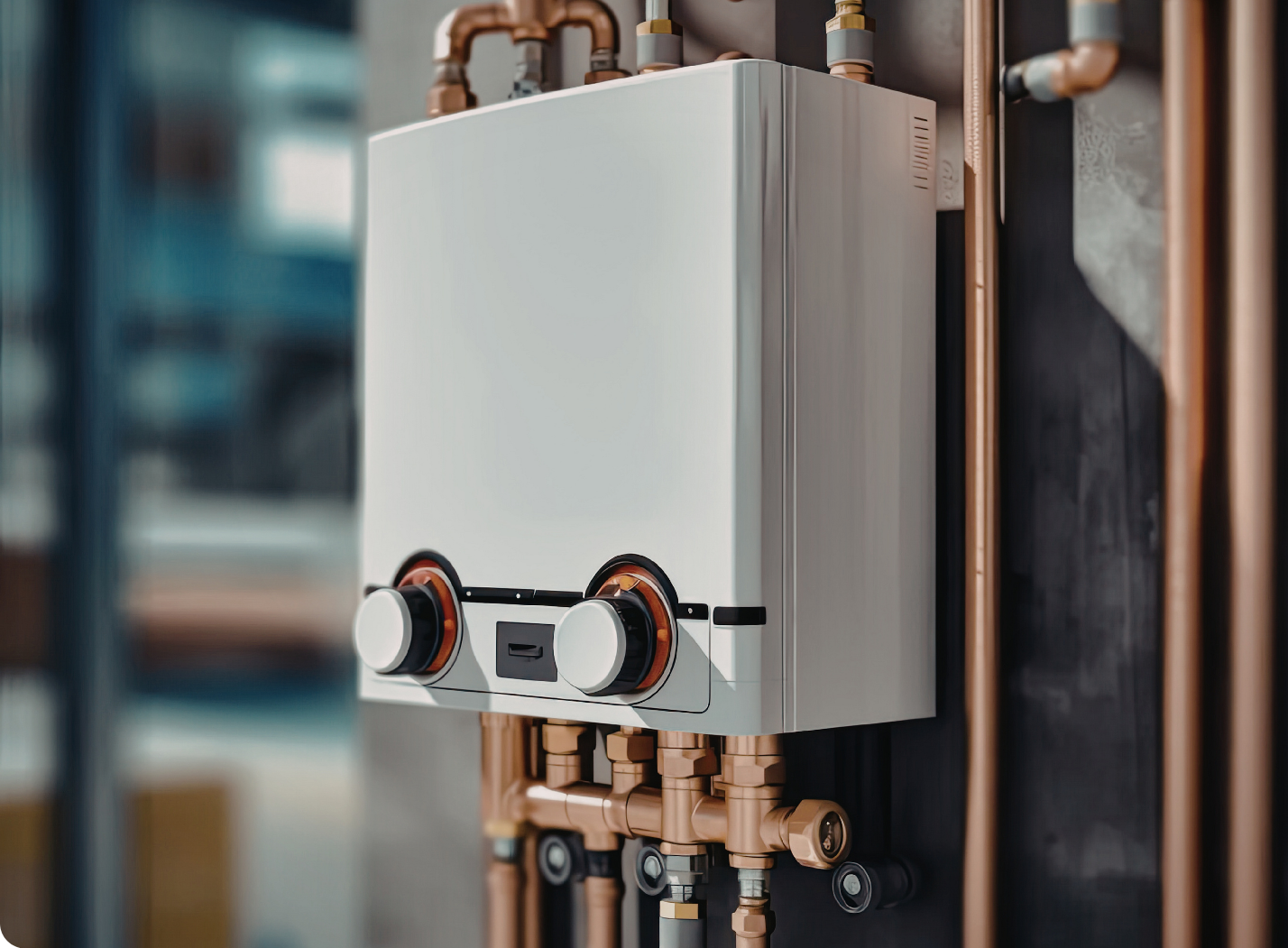
Water Heating

Cut costs from one of the highest energy users

Heating water requires electricity and contributes significantly to household energy use.

  • Use timers to reduce water heating when no one is home.
  • Insulate exposed hot‑water pipes so water stays warmer longer.
  • Check energy‑efficiency labels when choosing water heaters.
  • Consider switching to tankless water heaters, which heat water only when needed.
  • Install low‑flow showerheads and faucet aerators.
  • Take showers instead of baths and repair leaky faucets.
  • Use economy settings on dishwashers and air‑dry dishes when possible.
  • Maintain traditional water heaters regularly to keep them operating efficiently.
Refrigerator & Freezer Efficiency

Televisions
Watch smart, save energy

  • Choose energy‑efficient LED TVs, especially when buying a new television.
  • Set a sleep timer so your TV turns off automatically when not in use—especially at night.

Game Consoles
Reduce power use while gaming

  • Turn on power‑saving mode to cut energy use when gaming or on standby.
  • Switch off controllers when they’re not being used.
  • Avoid streaming through game consoles when possible—laptops and tablets use less energy for streaming.